
Leading Products For House Limewashings To Elevate Your Decor
Learn about top-rated supplies designed to help you create timeless limewashed walls with ease and confidence.
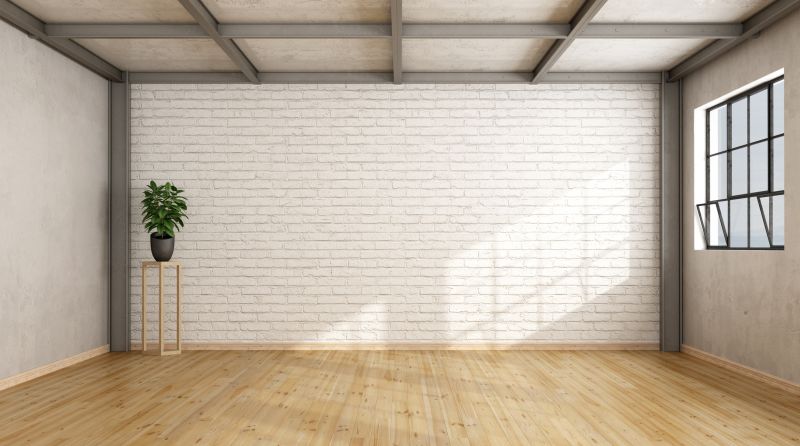 Limewashing is a traditional technique that involves applying a lime-based coating to walls and surfaces to create a distinctive, textured finish. This method has gained popularity for its ability to add a rustic, authentic charm to both interior and exterior spaces. The process typically requires a specific set of products that ensure proper adhesion, durability, and aesthetic appeal. When selecting products for house limewashing, it is important to consider the different formulations, application tools, and additives available to achieve the desired look and longevity.
Top Overall Option
High-Quality Limewash Paint
A versatile, pre-mixed limewash paint designed for easy application on various surfaces. It offers a traditional look with consistent coverage and good adhesion, making it suitable for both interior and exterior projects. This product often includes a blend of lime, water, and natural pigments, providing a durable finish that can be layered for texture and depth.
Types of Products For House Limewashings
Hydrated Lime
Traditional hydrated lime is a common base for custom limewash mixes, offering flexibility in formulation and application.
Lime Putty
A malleable lime material used for creating custom limewash coatings with a smooth, matte finish.
Pre-Mixed Limewash Paint
Convenient ready-to-use products that simplify the limewashing process with consistent results.
Lime Sealer
Protective coatings applied after limewashing to enhance durability and weather resistance.
Lime Bonding Agent
Additives that improve adhesion of limewash to challenging surfaces or existing coatings.
Natural Pigments
Colorants that can be mixed into limewash to achieve a variety of hues and shades.
Lime Wash Sprayer
Specialized equipment designed for efficient application of limewash over large areas.
Lime Wash Brush
Sturdy brushes suitable for detailed work and textured application.
Lime Wash Roller
Tools designed for quick coverage and smooth finishes on flat surfaces.
Lime Wash Additives
Various additives that improve workability, drying time, or finish texture.
Lime Wash Primer
Preparatory coatings that enhance adhesion and surface readiness before limewashing.
Lime Wash Texture Additives
Materials used to create textured or matte effects in the limewash finish.
Popular Choices
A widely used option for ease of application, providing consistent color and coverage.
A common base material favored for custom formulations and traditional techniques.
Popular for sealing limewashed surfaces to enhance longevity and resistance.
Frequently used to improve adhesion on challenging surfaces or previous coatings.
Commonly selected for adding color and achieving specific aesthetic effects.
Preferred equipment for covering large areas efficiently and evenly.
Popular for detailed work and textured finishes.
Chosen for quick application on flat surfaces with smooth results.
Used to create unique textured effects and enhance visual interest.
Often recommended for preparing surfaces for better adhesion.
Valued for its smooth consistency and traditional appeal in custom mixes.
The core of a successful limewash involves a high-quality lime-based paint or coating, which can vary in composition from traditional hydrated lime to modern pre-mixed formulations. These products often come in various consistencies, from thick pastes to more fluid mixtures, allowing for different application techniques. Additional products such as bonding agents, sealers, and colorants can be incorporated to enhance performance and customize the appearance. Proper preparation of the surface, along with the right products, can significantly influence the final result, ensuring that the limewash adheres well and maintains its aesthetic over time.
Application techniques for limewashing include brushing, spraying, or rolling, depending on the product type and surface area. Some products are formulated for easy DIY use, while others may require professional expertise. It is also common to layer the limewash in multiple coats to achieve a richer texture and more uniform coverage. Regular maintenance, including cleaning and occasional touch-ups with compatible products, can help preserve the appearance of the limewashed surface for years to come. Understanding the different product options and their specific uses is essential for anyone interested in undertaking a house limewashing project.
Key Buying Considerations
- Surface compatibility: Ensure the product is suitable for the specific surface type you plan to limewash.
- Application method: Choose products that match your preferred application technique, such as brushing or spraying.
- Color options: Consider whether the product allows for color customization with pigments.
- Durability: Look into the product's resistance to weathering, cracking, or peeling over time.
- Ease of use: Decide if a pre-mixed product suits your skill level or if custom mixing is preferred.
- Finish texture: Determine if you want a smooth, matte, or textured finish, and select products accordingly.
- Drying time: Be aware of the drying and curing times to plan your project timeline effectively.
- Surface preparation: Some products may require priming or surface treatment prior to application.
- Compatibility with existing coatings: Verify if the limewash can be applied over other finishes or old paint.
- Environmental conditions: Consider the climate and weather conditions during application for optimal results.
- Maintenance requirements: Understand how to care for and touch up the limewashed surface later on.
- Cost and availability: Balance quality with budget and ensure the products are readily accessible.
- Safety considerations: Use appropriate protective gear, especially when handling lime-based products.
- Environmental impact: While not a focus here, some may consider products with minimal chemical additives.
- Professional support: Availability of technical assistance or instructions can be beneficial for beginners.